
Your Curated Guide to Living, Investing, and Experiencing Dubai
The Journals by 11Prop is your go-to source for Dubai property trends and advice. You can find in-depth real estate insights, expert opinions, and market analyses there.
Latest from 11Prop
Research, market updates and practical guides to help you make better property decisions.
Majan, Dubai: Complete Area Guide 2026
What Is Majan? Majan is a master-planned, mixed-use community sitting at the heart of Dubailand. It was launched in 2006 by Tameer Investment Holding and Mozn R…
How to Buy Property in Dubai - Guide for Foreign Buyers (2026)
Dubai is one of the few cities in the world where foreigners can buy property with full ownership rights, no income tax, and flexible payment plans that make entry easier than most people expect. Whether you are buying to live, rent out, or hold as a long-term investment, the process is straightforward once you know the rules. This guide covers everything: who can buy, where to buy, what types of property to consider, the step-by-step process, the costs involved, and which areas are delivering the best returns right now.
Jun 22, 202610 min read
View Blog
Dubai Developers Are Offering the Most Flexible Payment Plans Ever, Here's How to Pick the Right One
If you've been watching Dubai's real estate market, you've probably noticed something remarkable happening. Developers across the emirate are rolling out payment plans so generous, so creatively structured, that buying property in Dubai has never felt more accessible, even to buyers who don't have millions sitting in the bank. We're talking 1% monthly installments, post-handover plans stretching five to eight years, and down payments as low as 5%. The era of flexible property ownership in Dubai is well and truly here. But here's the thing about choice: too much of it can be paralyzing. When every developer is waving a flashy payment plan in your face, how do you figure out which one actually works in your favor? That's exactly what this guide is here to answer. Why Dubai Developers Are Getting So Creative With Payment Plans To understand why payment plans have become so flexible, you need to understand the competitive pressure developers are under. Dubai's off-plan market has exploded in the last few years, with hundreds of projects launching simultaneously across neighborhoods like Dubai Creek Harbour, Business Bay, Jumeirah Village Circle, and the ever-expanding Dubai South. Developers are competing fiercely for the same pool of buyers, and the easiest way to stand out is to make financing as painless as possible. There's also a broader strategic picture at play. Dubai's government has been actively positioning the city as a global investment destination, with visa reforms, tax-free living, and regulatory improvements all drawing in international buyers from Europe, South Asia, and beyond. Developers know that many of these buyers are sophisticated investors looking for yield and capital appreciation, not just a home. Flexible payment plans allow those buyers to preserve liquidity, spread risk, and invest in multiple units simultaneously. The result? Payment plans that would have seemed extraordinary just five years ago are now standard practice. The Main Types of Payment Plans You'll Encounter Before you can pick the right plan, you need to know what's actually out there. Dubai's off-plan market has converged around a few dominant structures, each with its own logic and risk profile. The Classic Construction-Linked Plan ties your installments to construction milestones. You might pay 10% on booking, then 10% at foundation completion, another 10% when the structure reaches a certain floor, and so on until handover. This type of plan keeps your payments aligned with the developer's actual progress, which is reassuring from a risk standpoint, you're not funding a building that's still just a sketch on an architect's desk. The Post-Handover Plan is where things get genuinely exciting for buyers. Under this structure, you pay a portion, often 40% to 60%, during construction, then continue paying the remainder after you've received the keys. Periods of three, five, or even eight years post-handover are increasingly common. For investors, this is a game-changer because the property can be rented out while you're still paying it off, effectively letting rental income service part of your installments. The 1% Monthly Plan has become something of a marketing phenomenon in Dubai. Under this structure, after an initial down payment (typically 10% to 20%), you pay just 1% of the property's value every month. On a one-million-dirham apartment, that's AED 10,000 per month, a number that feels manageable to a much wider range of buyers than a lump sum ever would. The 60/40 and 70/30 Plans are simpler formulations where the first number represents what you pay before handover and the second is what you pay after. The 40% or 30% post-handover portion is often spread over two to three years, and some developers sweeten the deal further by making that balance interest-free.
Apr 30, 20269 min read
View Blog
Fractional Ownership and Tokenization: The Future of Asset Management in 2026
The investment landscape is changing rapidly. Fractional ownership and tokenization are reshaping how people invest in assets. These technologies make expensive investments accessible to everyone. What was once limited to wealthy investors is now available to ordinary people. A single bitcoin transaction or real estate share can be owned by thousands. This democratization of assets is more than a trend. It represents a fundamental shift in how we think about investing. In this guide, you'll learn what fractional ownership and tokenization are. We'll explore how they work. Most importantly, we'll show you why they matter for your investment future. What Is Fractional Ownership? Fractional ownership means dividing an asset into smaller, more affordable pieces. Instead of buying an entire property worth $1 million, you might buy 1% of it. Each owner holds a proportional share. How Fractional Ownership Works The concept is straightforward. An asset is divided into equal units. These units are then sold to multiple investors. Each investor owns a percentage of the whole asset. Think of it like stock ownership in a company. If a company has 1 million shares and you buy 1,000, you own 0.1% of the company. Fractional asset ownership follows the same principle. Key Benefits of Fractional Ownership Lower entry barrier : You don't need massive capital to invest. Portfolio diversification : Spread money across multiple assets easily. Passive income : Earn dividends or rental income from your share. Liquidity access : Sell your share when you need cash. Risk reduction : Share ownership means shared risk. Common Assets for Fractional Ownership Real estate properties Fine art and collectibles Commercial real estate Precious metals Startup equity Renewable energy projects
Mar 18, 20264 min read
View Blog
Off-Plan Investment Risks in 2026: Oversupply, Delays and Market Sentiment
If you have been eyeing an off-plan property investment in 2026, you are not alone. From Dubai to Manchester, Bangkok to Istanbul, off-plan developments continue to attract buyers with glossy renders, below-market launch prices, and flexible payment structures that spread costs over the construction period. The pitch is familiar and often compelling: get in early, pay in stages, and collect your capital gain at handover. But 2026 is not the same market it was three or four years ago. The risks that were always present in off-plan investing are now more visible, more frequently realized, and harder to paper over with rising prices. More off-plan investments are stalling than ever, and more investors are reporting problems with off-plan properties failing to deliver as promised. That does not mean every off-plan deal is bad. It does mean that if you are investing this year, you need to go in with your eyes fully open. This guide breaks down the three biggest risk categories surrounding off-plan investment in 2026, namely oversupply, construction delays, and shifting market sentiment, and tells you what to watch for before you sign anything. What Is Off-Plan Property and Why Does It Still Appeal? Off-plan property refers to a property that is purchased before construction has been completed or sometimes even before it has begun. Pre-construction purchases are typically marketed to real estate developers and early buyers so that purchasers can secure favorable terms, and investors buy in with the aim of making capital gains, either through discounts offered at launch or through price appreciation during the development cycle, which typically runs 12 to 24 months. In simple terms, off-plan investment means buying before the property is built or while it is still under construction, usually at a lower price, with the expectation that value will grow by completion. Buyers pay in stages, starting with a small booking deposit, then progress payments tied to construction milestones, and a final balance at handover. In markets like Dubai, this model has become dominant. Off-plan property sales accounted for over 70 percent of total residential transactions in Dubai in the first half of 2025, driven by aggressive developer launches, flexible payment plans, and strong international investor demand. The appeal is real. But so are the risks, and in 2026, those risks have compound layers that savvy investors cannot afford to ignore. Risk Number One: Oversupply and Its Quiet Impact on Returns Oversupply is arguably the most underestimated risk in off-plan investing because it does not always make headlines. It creeps in gradually, driven by developers all rushing to capitalize on the same hot market signals at roughly the same time. By the time the glut becomes obvious, you may already be locked into a purchase contract. In markets like Dubai, the rapid development pipeline means some areas may face temporary oversupply, particularly in mid-range apartment clusters, which can weaken rental yields and extend vacancy periods. What makes this particularly dangerous for off-plan buyers is the timing gap. You buy based on market conditions today, but you take possession in 12, 24, or even 36 months. A lot can change in that window. Looking at broader property markets, deliveries remained elevated in 2025, with hundreds of thousands of new residential units completing across major markets. However, heavy development pipelines in high-growth areas saw pronounced absorption challenges as economic uncertainty rose and job creation slowed in several key cities. The oversupply problem is not limited to any one geography. Markets like Bangkok and Pattaya have historically experienced supply surges that temporarily weaken rental returns, while countries with tourism-dependent real estate see short-term rental returns fluctuate significantly with seasonal and global travel trends. For investors buying off-plan in 2026, the key question to ask is not just whether the project is well-located today, but whether there are five, ten, or twenty similar projects launching within the same catchment area in the same timeframe. If the answer is yes, you need to think carefully about what your rental yield and resale value will look like in a saturated market at the point of completion. Risk Number Two: Construction Delays and Developer Credibility Construction delays are the most common complaint from off-plan investors worldwide, and in 2026 the conditions that cause them are more pronounced than they have been in years. Projects can be delayed due to weather, supply chain issues, labor shortages, or funding problems, and delays of three to twelve months are not uncommon. If a developer goes bankrupt mid-construction, buyers may lose their deposits or face lengthy legal battles. Build timelines can slip due to labour shortages, materials costs, funding issues, planning complications, or contractor problems. A delay does not just affect patience, it can affect finance arrangements, cash flow plans, and exit strategy. If you planned to refinance a mortgage on a property that was supposed to complete in Q1 but now will not deliver until Q4, you may find your rate lock has expired, your lender has reassessed, or your personal financial circumstances have shifted. Globally, delays, defaults, and insolvencies are common in construction due to overrunning projects, and payment delays are expected to persist in many markets, influenced by bureaucratic challenges and financial constraints. Markets in Southeast Asia, particularly Thailand and Vietnam, are experiencing increases in payment delays and insolvencies often caused by project delays and volatile materials prices, leading to liquidity shortages. The broader credit tightening environment also affects developer financing. When borrowing becomes more expensive and lenders become more selective, smaller or over-leveraged developers become vulnerable, and the risk of a project stalling mid-build rises considerably. This is a dynamic that is very much alive in 2026. The lesson here is straightforward. Developer credibility is not a soft consideration. It is one of the hardest financial factors in an off-plan deal. Before you invest, investigate the developer's track record, look at how many of their previous projects were delivered on time and to specification, examine whether deposits are held in protected escrow accounts, and read the delay penalty clauses in the contract carefully. Risk Number Three: Market Sentiment and the Valuation Gap The third major risk is arguably the most psychologically difficult to plan for, because it hinges on something as fluid as investor sentiment. Off-plan properties are priced against expected future values. If sentiment shifts between the date of purchase and the date of completion, the property you paid for may not be worth what you expected. Market fluctuations can impact property value significantly. Prices might rise or dip before completion, which is actually quite common in property markets globally. But the concern in 2026 is more structural than cyclical. Several interconnected forces are affecting how investors feel about risk right now. Consumer sentiment surveys in 2026 reflect caution even as hard spending data remains relatively stable. The concern is that if the labor market continues to soften, inflation stays sticky, and affordability does not improve, demand for discretionary assets including investment properties may weaken. When consumers and investors feel cautious, the premium pricing that off-plan launches depend on becomes harder to sustain. Interest rates remain a central part of this story. While cuts are expected in major economies through 2026, the timeline and scale remain uncertain. Earlier rate reductions in several markets did not substantially bring down long-term mortgage rates or meaningfully revive housing demand, which means that financing conditions for off-plan buyers completing purchases this year may be less favorable than originally anticipated. There is also the question of how geopolitical uncertainty feeds into property investor sentiment globally. Trade tensions, tariff pressures, currency volatility in emerging markets, and ongoing conflicts in various regions all chip away at the confidence that drives premium pricing in property markets. When investors feel uncertain, they gravitate toward liquidity and income certainty, neither of which off-plan properties provide in abundance.
Mar 18, 20269 min read
View Blog
How Dubai's Infrastructure Expansion Boosts Off-Plan Property Values
Dubai has long been a city that builds ahead of demand, and that philosophy is precisely why savvy investors have consistently generated outsized returns on off-plan properties. When the Dubai Metro Red Line extended to Dubai Marina in 2009, property prices in surrounding communities jumped almost overnight. Today, a new generation of infrastructure megaprojects is rewriting the investment map once more, and those who understand the connection between urban development and property appreciation stand to profit enormously. In this guide, we break down exactly how Dubai's 2024–2030 infrastructure expansion, from new metro lines and the Al Maktoum International Airport mega-project to road networks and smart city upgrades, directly translates into rising off-plan values, and which neighbourhoods and communities you should be watching right now. Why Infrastructure Is the #1 Driver of Off-Plan Property Appreciation in Dubai Off-plan properties, those purchased before or during construction, are uniquely sensitive to infrastructure announcements. Unlike ready properties, whose prices already reflect existing connectivity and amenities, off-plan units are priced against a future version of the neighbourhood. When that future includes a new metro station, an expanded airport, or a major highway interchange, the gap between today's off-plan price and tomorrow's market value widens dramatically. Several factors explain this dynamic: Reduced commute times make previously overlooked areas suddenly desirable, expanding the buyer pool and pushing rents and prices upward. Enhanced perceived status of a neighbourhood follows major infrastructure, metro connectivity is internationally associated with a city's maturity and livability. Population influx driven by new jobs and commercial development along infrastructure corridors creates sustained rental demand, protecting investor yields. Developer confidence signals when the government commits billions to infrastructure, it de-risks surrounding developments and attracts global institutional capital to the same postcodes.
Mar 12, 20266 min read
View Blog
Off-Plan Projects Near New Schools & Universities 2026
Dubai’s real estate market continues to evolve, and one of the strongest emerging trends is the rise of off-plan projects located near new schools and universities . As the city expands its education infrastructure to support a growing population and international demand, residential communities near educational institutions are becoming future real estate hotspots. These locations offer long-term value and strong appeal for families and investors alike. Role of Education in Dubai’s Urban Development Education plays a major role in Dubai’s long-term growth strategy. The city continues to attract international schools, private universities, and academic campuses that cater to both local and expatriate communities. As new educational institutions open across developing areas, they act as powerful anchors for residential growth. Families naturally prefer to live close to schools, while students and staff seek nearby housing options, increasing demand for surrounding properties. This expansion has shifted buyer focus toward off-plan projects in areas where schools and universities are planned or under construction. Early investment in such locations often leads to higher returns once the area becomes fully active and populated. Why Off-Plan Properties Near Schools Attract Investors Off-plan projects near schools and universities offer a strong investment case due to consistent demand and long-term stability. Education is a year-round necessity, which means rental demand in these areas remains steady even during slower market periods. Parents are willing to pay a premium for homes that reduce daily travel time and provide a safe, community-oriented environment for their children. Developers often launch these projects with flexible payment plans and competitive pricing, making them attractive to first-time investors and end-users. As schools open and communities mature, property values typically rise, delivering capital appreciation along with rental income. Appeal for Families and End-Users For families, living near schools offers daily convenience and peace of mind. Shorter commute times reduce stress for both parents and children, while nearby educational facilities enhance the overall lifestyle of the community. Many off-plan developments near schools are designed with family living in mind, offering green spaces, play areas, and essential amenities. End-users looking for long-term homes often prioritize education access when choosing a property. Off-plan communities near schools and universities provide a future-ready living environment that supports family growth and stability.
Feb 6, 20263 min read
View Blog
Dubai Off-Plan Projects Near New Hospitals & Healthcare Hubs
Dubai’s real estate market is evolving rapidly, and one of the strongest emerging trends is the rise of off-plan projects located near new hospitals and healthcare hubs . As the city expands its medical infrastructure and positions itself as a global healthcare destination, residential developments close to hospitals are gaining strong attention from both investors and end-users. These projects offer a unique mix of lifestyle convenience and consistent rental demand. The Growing Importance of Healthcare-Driven Locations in Dubai Healthcare has become a core pillar of Dubai’s urban development strategy. With population growth and rising demand for advanced treatment facilities, the city is investing heavily in new hospitals, specialty clinics, and integrated healthcare zones. These developments are not limited to central Dubai but are spreading across key growth corridors, transforming surrounding areas into well-connected and highly livable communities. Residential areas located near hospitals naturally attract healthcare professionals and long-term residents who value quick access to medical services. This steady demand makes nearby off-plan properties particularly appealing, as buyers enter at lower prices before full infrastructure and community maturity drive values upward. Why Off-Plan Properties Near Hospitals Are in High Demand Off-plan projects near healthcare hubs benefit from a strong mix of practical and financial advantages. From a lifestyle perspective, residents enjoy peace of mind knowing that quality healthcare is always close by. This factor is especially important for families, senior residents, and international buyers relocating to Dubai for work or long-term living. From an investment standpoint, these locations tend to perform well during different market cycles. Rental demand remains stable due to continuous movement of medical professionals and support staff, while resale value improves as hospitals become operational and surrounding amenities develop. Flexible payment plans offered by developers further enhance the attractiveness of off-plan investments in these areas. Dubai Healthcare City and Surrounding Residential Growth Dubai Healthcare City remains one of the most established medical districts in the city and continues to influence nearby residential development. The area combines hospitals, research centers, educational institutions, and wellness facilities within a single urban zone. As a result, off-plan residential projects nearby are designed to support modern urban living with a focus on accessibility , comfort, and functionality. Communities surrounding this healthcare hub, such as Al Jaddaf and nearby waterfront districts, have seen increased off-plan activity in recent years. These areas offer modern apartments, improved road networks, and metro access , making them ideal for healthcare workers and residents seeking central connectivity without the premium pricing of Downtown Dubai .
Feb 6, 20263 min read
View Blog
Off-Plan Projects with the Best "Buy Now, Pay Later" Plans in Dubai
Dubai’s real estate market has made property ownership easier for everyone with flexible payment options. The “Buy Now, Pay Later” plan lets you own high-end properties with little or no down payment, spreading payments over several years. If you’re looking to invest in off-plan properties, understanding these flexible payment terms is key to making the most of opportunities. This guide explains everything you need to know about buying off-plan properties in Dubai with attractive payment plans. What Are Off-Plan Properties in Dubai? Off-plan properties are real estate units sold before construction is completed, sometimes even before groundbreaking begins. Dubai developers offer these properties at pre-construction prices, typically 15-30% lower than completed units in the same area. This pricing advantage has made off-plan investing incredibly popular among both UAE residents and international investors. The concept is simple: developers need capital to fund construction, and buyers want to lock in prices before they rise. By purchasing during the pre-construction phase, you secure today's prices for a property you'll receive in two to four years. As Dubai continues to grow and develop, property values typically appreciate during this period, creating equity gains before you even take possession. Beyond pricing advantages, off-plan properties in Dubai offer customization options. Many developers allow early buyers to select finishes, fixtures, and sometimes modify layouts to suit their preferences. This level of personalization rarely exists in completed properties and adds significant value to your investment. What Buy Now, Pay Later Plans in Dubai Means Traditional property purchases in Dubai require substantial upfront capital, usually 20-25% as a down payment plus mortgage arrangements. The buy now, pay later model has changed this completely by restructuring payment timelines to align with construction progress and your cash flow capabilities. Dubai's payment plans typically spread the property cost across multiple installments over the construction period, which ranges from two to five years. The initial payment might be as low as 5-10% of the property value, followed by scheduled payments tied to construction milestones or fixed intervals. This structure benefits both buyers and developers. You gain access to premium Dubai properties without depleting your savings, maintain better cash flow management, and continue earning returns on your capital while making installment payments. Developers secure committed buyers early, ensuring funding continuity and demonstrating project viability to investors. The flexibility has opened Dubai's real estate market to young professionals, business owners, and expatriates who earn steady incomes but lack substantial liquid capital. Properties in prime locations like Dubai Marina, Downtown Dubai, and Dubai Hills Estate are now accessible to a much broader audience. Common Payment Plan Structures in Dubai 60/40 Payment Plans The 60/40 plan is one of Dubai's most popular structures. You pay 60% of the property value during construction through installments, and the remaining 40% upon handover. For a property worth AED 1.5 million, this means paying AED 900,000 over three to four years, then AED 600,000 when you receive the keys. This structure works well for buyers who can manage regular installments but need time to arrange the final payment, either through mortgage financing or accumulated savings. 70/30 Payment Plans The 70/30 plan requires 70% during construction and 30% at handover. This structure is common in established areas like Dubai Marina and Business Bay. While requiring slightly higher payments during construction, it reduces your final lump sum obligation, making handover more manageable. 80/20 Payment Plans The 80/20 plan represents one of Dubai's most aggressive buyer-friendly structures. You pay 80% during construction and only 20% at handover. Luxury developments in areas like Dubai Creek Harbour and Emaar Beachfront often offer these terms to attract early buyers. For a AED 2 million property, this means your final payment is just AED 400,000, which many buyers cover through rental income if they lease the property immediately upon handover. Post-Handover Payment Plans Dubai's most attractive innovation is the post-handover payment plan, allowing you to continue making payments after receiving your property. These plans might follow a 50/30/20 structure: 50% during construction, 30% at handover, and 20% over one to three years post-handover. The advantage here is significant. You can move into or rent out your property while completing payments. If you're generating AED 80,000 annually in rent and your remaining payments total AED 300,000 over three years, the rental income substantially offsets your payment obligations. Top Dubai Areas Offering Excellent Payment Plans
Jan 30, 202611 min read
View Blog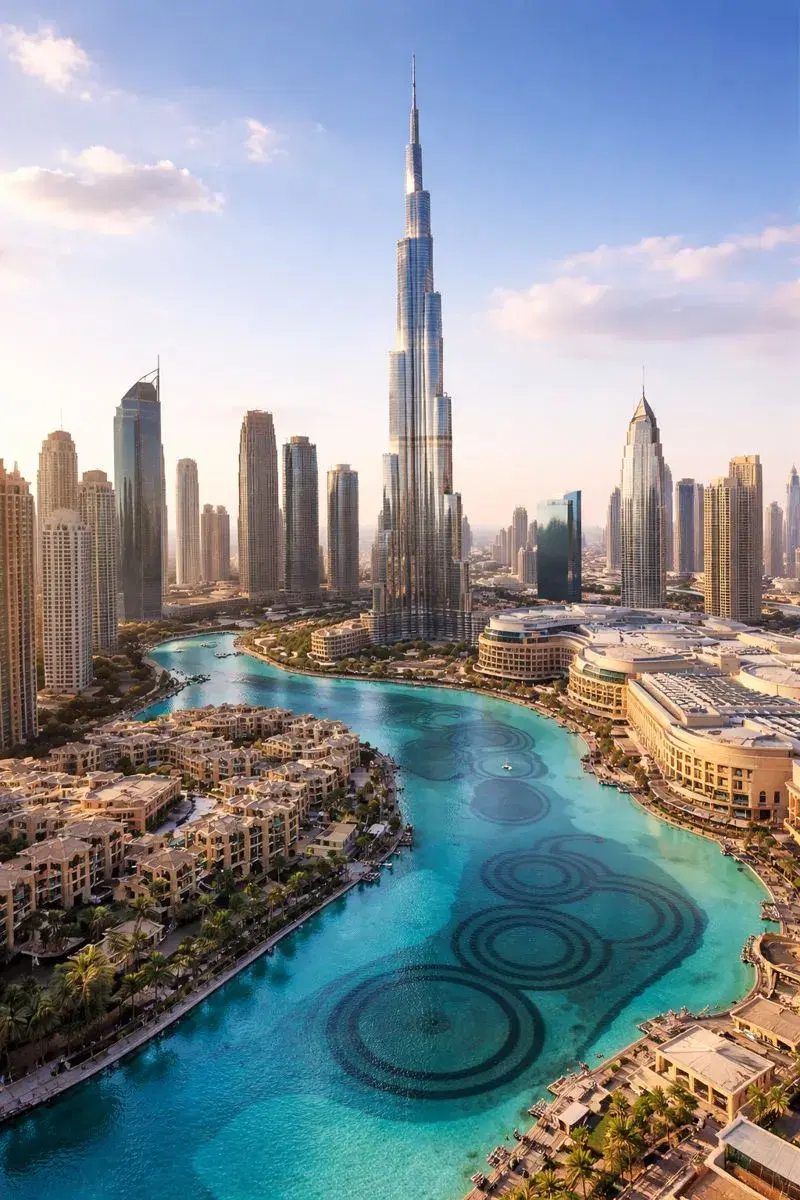
Fractional Ownership in Dubai Off-Plan
Dubai’s real estate market is changing with fractional ownership, a way to invest in premium properties without needing millions. It lets investors buy a share of luxury villas in Palm Jumeirah or apartments in Downtown Dubai at a fraction of the cost. This makes off-plan developments more accessible and helps investors spread their money across multiple properties. Fractional ownership is becoming a popular choice for those who want to grow their real estate portfolio smartly. This guide explains how it works and why it’s set to become a top investment trend in Dubai. What is Fractional Ownership in Real Estate? Fractional ownership is a property investment model where multiple investors collectively own shares in a single property. Instead of one person purchasing an entire apartment worth AED 2 million, four investors might each buy a 25% stake for AED 500,000. Each owner holds legal title to their fraction, receives proportional rental income, and benefits from property appreciation based on their ownership percentage. This concept differs fundamentally from timeshares, which grant usage rights rather than ownership stakes. With fractional ownership, you're an actual property owner with registered title deeds, voting rights on property decisions, and the ability to sell your share independently. You're not just buying vacation time; you're making a legitimate real estate investment with all the associated rights and benefits. In Dubai's context, fractional ownership has found particularly fertile ground in the off-plan market. Investors can now participate in premium developments during the pre-construction phase, securing lower prices while splitting the capital requirement among multiple stakeholders. A luxury villa in Dubai Hills Estate that might cost AED 5 million becomes accessible at AED 1 million for a 20% stake, opening opportunities that were previously beyond reach for many investors. The structure works seamlessly with Dubai's advanced legal framework and digital infrastructure. Blockchain technology and smart contracts are increasingly facilitating these transactions, creating transparent, secure ownership records that eliminate many traditional real estate transaction complexities. Why Fractional Ownership is Booming in Dubai Lower Entry Barriers Dubai's property market commands premium prices, with average apartments in prime locations starting at AED 1.5 million and luxury villas reaching AED 10-15 million or more. These price points exclude many potential investors, particularly young professionals, expatriates on assignment, and those seeking to diversify without massive capital commitment. Fractional ownership reduces these barriers dramatically. A AED 3 million property divided into ten shares requires just AED 300,000 per investor. Suddenly, prime locations like Dubai Marina, Business Bay, and Palm Jumeirah become accessible to a demographic that could never afford whole property ownership in these areas. Portfolio Diversification Traditional property investment often means concentrating substantial wealth in a single asset. If you have AED 2 million to invest, buying one property in Dubai Marina means all your real estate exposure is in that location, property type, and market segment. Fractional ownership transforms this equation completely. With the same AED 2 million, you could own 25% of two properties in Dubai Marina, 20% of a villa in Arabian Ranches, and 30% of a commercial unit in Business Bay. This diversification spreads risk across locations, property types, and tenant demographics. If one area experiences temporary slowdown, your other investments continue generating returns. The diversification extends to development timelines when investing in off-plan properties . You might hold fractions in projects completing in 2025, 2026, and 2027, creating a staggered portfolio that generates income at different intervals rather than concentrating all risk in a single completion date. Access to Premium Properties Fractional ownership democratizes access to properties that would otherwise remain exclusive to ultra-high-net-worth individuals. Luxury penthouses in Burj Khalifa, beachfront villas in Jumeirah Bay Island, and premium commercial spaces in Dubai International Financial Centre become realistic investment options. These premium properties typically offer superior appreciation potential and rental yields. A luxury property in a prime location might appreciate 8-10% annually compared to 5-6% for mid-range properties. Fractional ownership lets you capture these superior returns without the prohibitive capital requirements. Professional Management Most fractional ownership arrangements include professional property management as part of the structure. Specialized companies handle tenant relations, maintenance, repairs, and all operational aspects. For investors, especially international ones, this eliminates the burden of managing Dubai properties from abroad. Management companies typically charge 5-8% of rental income but provide comprehensive services including tenant screening, rent collection, maintenance coordination, and financial reporting. The professional approach often results in higher occupancy rates and better-maintained properties compared to individual landlord management. Liquidity Advantages Traditional real estate is notoriously illiquid. Selling a property can take months, involves significant transaction costs, and requires finding buyers willing to commit substantial capital. Fractional ownership improves liquidity by reducing the capital requirement for buyers, expanding the potential buyer pool significantly. Emerging fractional ownership platforms are creating secondary markets where investors can buy and sell shares more easily than whole properties. While still developing, these platforms promise to make real estate investments as liquid as stocks, fundamentally changing how people think about property investment. How Fractional Ownership Works in Dubai Off-Plan Projects
Jan 30, 202611 min read
View Blog
The Best Off-Plan Areas for Remote Workers & Digital Nomads in Dubai
Dubai is becoming one of the top cities for remote workers and digital nomads. The city offers fast internet, a safe lifestyle, modern infrastructure, and a high standard of living. Many professionals are choosing Dubai as their base, especially because it allows a flexible lifestyle. For remote workers, off-plan properties are a smart option. Buying off-plan means lower prices and flexible payment plans. It also allows you to move into a new home that is designed for modern living. The key is choosing the right area that offers good lifestyle, connectivity, and quiet living. Best Areas for Remote Workers 1. Dubai Hills Estate Dubai Hills is ideal for remote workers because it offers a calm environment, parks, and a peaceful lifestyle. The community has cafes, gyms, and green spaces, which are perfect for work-life balance. It is also connected to major areas like Downtown and Business Bay, making it easy to travel when needed. 2. Business Bay Business Bay is the best choice for those who want a city lifestyle. It is close to Downtown and has many cafes, restaurants, and coworking spaces. Remote workers who like a busy and social lifestyle prefer Business Bay. It also has strong rental demand, which is good for investors. 3. Jumeirah Village Circle (JVC) JVC is popular among young professionals because it is affordable and centrally located. The area has many new buildings and a growing number of cafes and gyms. JVC is also close to major highways, making it easy to reach other parts of Dubai. 4. Dubai Creek Harbour Dubai Creek Harbour is becoming a major new community. It offers waterfront living and a calm environment. The area is planned to have metro connectivity in the future, which will increase its value. Remote workers who want a premium lifestyle often choose this area. 5. Dubai Marina Dubai Marina is one of the most popular areas for digital nomads. It offers beach access, nightlife, cafes, and a walkable environment. It is also connected to the metro and tram, making it easy to move around without a car.
Jan 23, 20262 min read
View Blog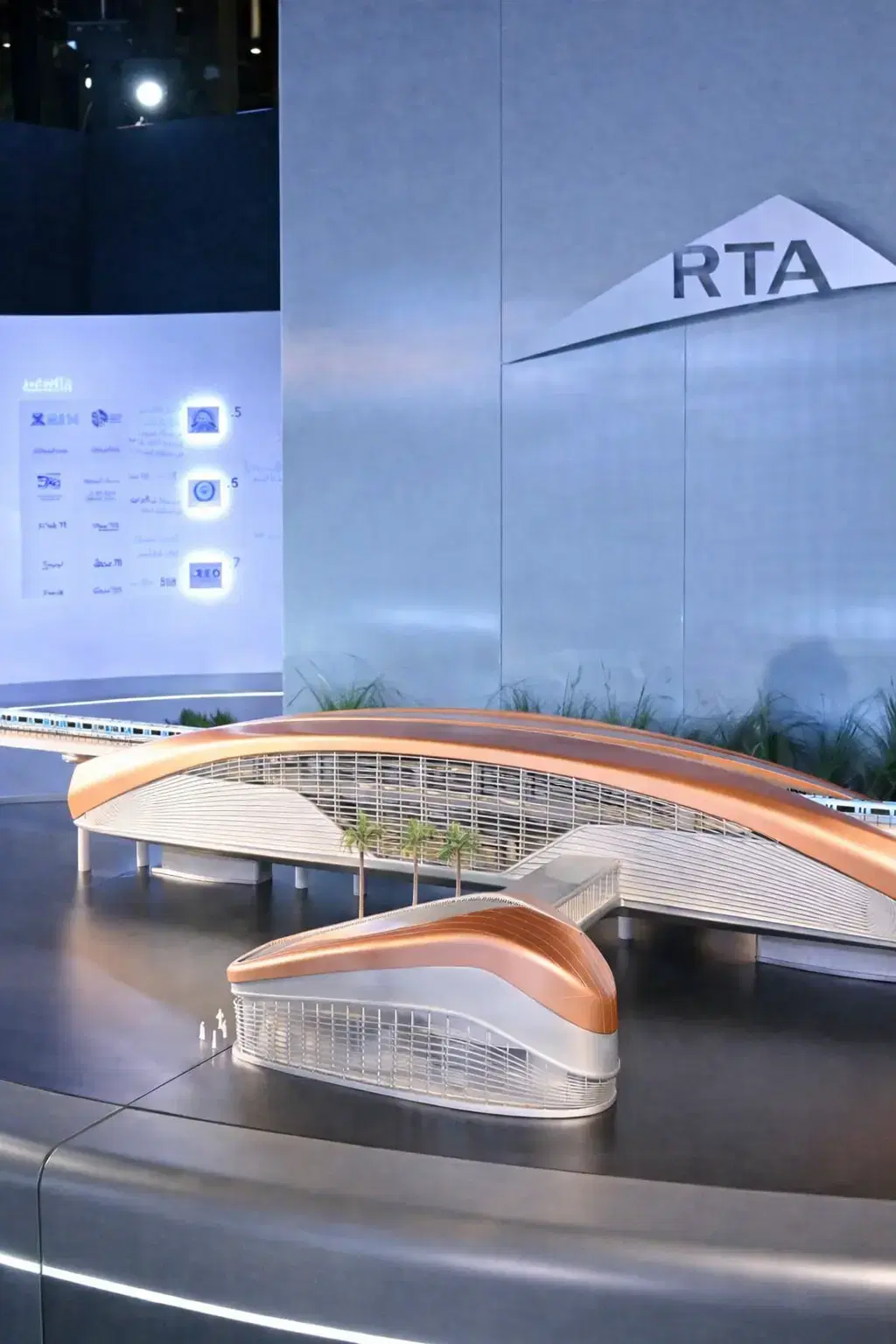
Off-Plan Projects Near Dubai’s Upcoming Metro Extensions (2026–2028)
Dubai is expanding its metro network rapidly. The new metro extensions coming between 2026 and 2028 will change how people commute and where they choose to live. This makes off-plan projects near these upcoming metro stations a strong opportunity for both investors and end-users. Metro lines don’t just reduce travel time. They also increase demand for nearby homes, raise property values, and improve long-term resale potential. When a metro station opens near a community, rental demand rises instantly because tenants prefer areas with easy transit access. That’s why buying off-plan near future metro stations is becoming a smart strategy. What makes metro-near off-plan projects valuable? A property near a metro station is always in demand because it offers convenience and a better lifestyle. Buyers and tenants don’t want to spend hours in traffic. They want quick access to business districts, malls, schools, and airports. This is exactly why metro-adjacent communities are becoming more popular in Dubai. When you invest in an off-plan project off-plan project near a future metro extension, you are buying at a lower price today. By the time the metro opens, your property value could increase significantly. This is especially true for areas like Dubai Creek Harbour, Dubai Hills, JVC, and Jumeirah Lake Towers , where the metro expansion will improve connectivity. Top Off-Plan Projects Near Upcoming Metro Extensions Below are some major off-plan projects that are strategically located near the upcoming metro routes. These projects are expected to benefit from metro expansion between 2026 and 2028 .
Jan 22, 20263 min read
View Blog
Off-Plan Property Cancellation Rules in Dubai
Investing in an off-plan property in Dubai is increasingly becoming popular among both local and international buyers. However, sometimes life has other plans, and you may well find yourself in a situation where you can't really continue with the payment plan. Knowing the cancellation rules and their impacts beforehand will be rather essential before delving into this serious financial investment. How Off-Plan Properties Work in Dubai Off-plan property refers to a property in real estate where the purchase takes place prior to the finish of its construction. In such a case, the payment of the property is done by the client in agreement to payment plans while the construction is taking place. There are off-plan properties in the Dubai real estate market. In such properties, certain regulations are provided by the Dubai Land Department (DLD) and Real Estate Regulatory Agency (RERA). What Happens When You Stop Paying? If you stop making payments on your off-plan property in Dubai, several consequences follow, depending on the developer's policies and the legal framework in place. Grace Period and Default Notice Most developers provide a grace period of 30 to 60 days after a missed payment. During this time, you'll typically receive reminders and notices from the developer. If payment isn't made within this grace period, you'll be officially in default of your contract. Developer's Right to Cancel Once you're in default, developers have the legal right to cancel your purchase agreement. According to RERA regulations and the standard Sales and Purchase Agreement (SPA), developers must follow specific procedures before cancellation, including providing written notice to the buyer. Refund Policies The amount you receive back after cancellation depends on several factors, including when you defaulted and the specific terms in your contract. RERA Regulations on Refunds Under Dubai's property laws, particularly Law No. 8 of 2007 and its amendments, developers can retain a portion of their payments as cancellation fees. Before the 2020 amendments, developers could retain up to 25% of the total property value if cancellation occurred before construction began, and up to 40% could be retained if cancellation occurred during construction. After the 2020 amendments introduced through Law No. 8 of 2020, the regulations became more buyer-friendly. Developers can now only deduct actual costs incurred and a maximum of 30% of the property value. The cancellation fee structure is now more transparent and regulated, and buyers receive refunds within specific timeframes. Calculation of Refunds The refund calculation generally follows a straightforward formula where your total amount paid minus the cancellation fee, administrative costs, and marketing costs equals your final refund. For example, if you paid AED 500,000 on a property valued at AED 2 million and defaulted during construction, the cancellation fee could be up to 30%, which amounts to AED 600,000 maximum. Since you only paid AED 500,000, you may receive nothing back, or a minimal refund after administrative costs are deducted. Timeline for Refunds RERA regulations stipulate that developers must refund buyers within a reasonable timeframe, typically 60 to 90 days after formal cancellation. However, this can vary based on the developer and the specific circumstances. Developer-Specific Cancellation Policies Different developers in Dubai have varying cancellation policies, though all must comply with RERA's minimum requirements. Emaar Properties generally follows RERA guidelines with a 30-60 day notice period and refunds processed within 60-90 days. Dubai Properties maintains similar adherence to RERA rules with specific internal processes for managing defaults. Damac Properties is known for strict adherence to payment schedules but follows standard refund protocols. Always review your specific developer's cancellation clause in the SPA before making assumptions about refunds.
Jan 16, 20267 min read
View Blog
Which Off-Plan Developers in Dubai Deliver Earlier Than Promised?
When it comes to the off-plan property market in Dubai , there is one concern that keeps many buyers up at night, and that is: “Will my developer actually complete the property on time?” While delays in property development have historically been a concern for the real estate industry, there are a few developers in Dubai who have turned this trend on its head by completing developments early. Early completion is not only the nice-to-have edge; it’s a very attractive investment bonus. It means income starts earning earlier, market value rises quicker, and your funds are no longer tied up in the holding patterns of construction purgatory. Being able to differentiate in Dubai’s property market between the developers who honor their deadlines can literally be the difference between a good investment and a great investment. This guide will show which off-plan developers in Dubai have a reputation for completing projects on time and will be supported by recent data and completed projects. How Dubai’s Property Delivery Timelines Are Shaping 2026 As per recent analysis of Dubai Land Department data, there has been tremendous growth in Dubai's construction industry. The median length of delayed projects reduced from seven months in 2022 to merely two months in 2024, which is a record low. The average length of delayed projects that reached delivery late has reduced to 3.8 months from four months in 2023. Dubai: Delays in project completion have been reduced. But not all developers are equal. Some deliver on time, while others deliver before the deadline. Some have included on-time delivery in their promises. They have ensured early delivery. Developers Delivering Ahead of Schedule 1. Sobha Realty Sobha Realty has established itself as Dubai's early delivery champion, with multiple projects completed months ahead of their original timelines. Among Sobha's impressive portfolio, Creek Vistas Grande stands out as a remarkable achievement, delivered eight months ahead of schedule in late 2024. The S Tower in Al Sufouh followed suit, completing in May 2025 after resolving minor delays and meeting revised timelines. The company's "backward integration" model, where they control every construction phase from material production to finishing, ensures exceptional quality control and faster completion times. The secret to Sobha's success lies in several key factors. Their in-house material manufacturing eliminates supply chain delays that typically plague competitors. The vertical integration model provides complete control over construction processes, while strong project management and quality assurance systems keep projects on track. With over 45 years of construction expertise and a $4 billion land bank supporting focused project execution, Sobha has perfected the art of early delivery. The developer's commitment to early delivery has become so consistent that industry observers note it as a hallmark of Sobha's approach. In January 2025, the company awarded AED 150 million in bonuses to staff, partly celebrating their track record of ahead-of-schedule completions. 2. Imtiaz Developments This mid-market developer has gained recognition for beating construction timelines, particularly in Jumeirah Village Circle. Imtiaz has built its reputation on consistently beating construction timelines, particularly in Jumeirah Village Circle. Westwood Grande II delivered approximately six months ahead of schedule in May 2025, following the success of Westwood Grande I which was also handed over early in late 2024. Several factors contribute to Imtiaz's impressive track record. The developer focuses on mid-rise residential towers with manageable scope, allowing for streamlined project execution systems. Strong contractor relationships built over years of collaboration ensure smooth operations, while concentrated development in familiar communities like JVC means they've mastered the local construction environment. For investors, Imtiaz's consistent early delivery means rental income begins flowing sooner than expected, improving overall investment returns. 3. Emaar Properties While Emaar doesn't consistently deliver "early," they maintain an impressive 95% on-time delivery rate, the highest among Dubai's major developers. Emaar maintains an impressive 95% on-time completion rate, setting the industry benchmark for reliability. While rare instances of early delivery occur on select projects, the company's real strength lies in its strong reputation for meeting promised timelines backed by decades of consistent performance. Emaar's success stems from multiple advantages that few competitors can match. Government backing provides essential resources and stability, while 25+ years of project delivery experience has refined their processes to near perfection. Established operational frameworks guide every project phase, supported by extensive contractor networks built over decades. Their superior project management systems ensure that challenges are identified and resolved before they impact timelines. Emaar's projects typically adhere closely to announced schedules. Downtown Dubai developments, Dubai Creek Harbour, and Dubai Hills Estate projects have maintained strong delivery records. While the company rarely promises aggressive timelines, their consistency makes them a safe bet for risk-averse investors. 4. DAMAC Properties DAMAC's delivery record has been mixed, but the developer maintains approximately 90% on-time completion for projects completed as scheduled. DAMAC's journey has been marked by challenges, with 2024 proving particularly difficult as 75% of planned projects experienced delays. However, projects like Bel Air at The Trump Estates, delivered in May 2025, show the company can meet revised schedules after missing initial targets. It's worth noting that when DAMAC delivers on time, they typically meet revised deadlines rather than original promises. Investors should approach DAMAC projects with realistic expectations. High-profile luxury projects sometimes face extended timelines due to their complexity, while branded developments may require additional coordination with partners. Looking ahead, 2025 delivery volumes are expected to be higher as delayed 2024 projects reach completion. While DAMAC offers innovative concepts and competitive pricing, investors should carefully review specific project timelines and understand that early delivery is not their standard practice. 5. Nakheel As a government-linked master developer, Nakheel maintains strong delivery credentials, particularly following regulatory reforms after earlier market cycles. Generally meets announced timelines for waterfront projects Strong performance on Palm Jumeirah expansions Dubai Islands developments progressing on schedule Improved reliability compared to pre-2010 period Government backing provides financial stability Focus on fewer, larger master-planned communities Extensive experience with complex coastal developments Stringent escrow framework compliance Nakheel's deliveries typically align with promised dates rather than significantly exceeding them. Their strength lies in predictability rather than early completion. Emerging Developers
Jan 15, 20268 min read
View Blog
Off-Plan Properties in Dubai with 1% Monthly Payment Plans: What Developers Don't Tell You
The real estate sector in Dubai has undergone a revolution concerning property investment through flexible payment terms, and the 1% monthly payment plan has emerged as one of the most lucrative for consumers. Notwithstanding the advantages being touted by the developer, there are key details that are usually left unuttered. The following guide provides you all the information you need to invest in an off-plan property on the 1% payment plan in Dubai. How the 1% Monthly Payment Plan Works The 1% monthly payment plan allows buyers to pay just 1% of the property's total value each month during construction, typically spanning 50-100 months depending on the project timeline. This structure makes property ownership accessible without requiring substantial upfront capital. How the Payment Structure Actually Works Most developers require a down payment ranging from 10% to 20% of the property value at booking. After the initial payment, buyers pay 1% monthly throughout the construction period and often extend post-handover. A final payment of 10-30% is typically due upon completion, though some plans defer this through post-handover installments. For a property worth AED 1,000,000 with a 1% monthly plan over 60 months: Down payment: AED 100,000 (10%) Monthly payment: AED 10,000 (1%) Total monthly payments: AED 600,000 (60 months) Handover payment: AED 300,000 (30%)
Jan 9, 20266 min read
View Blog
Off-Plan Projects in Dubai Where Construction Has Already Crossed 50%
The real estate sector in Dubai is still thriving, which provides significant opportunities for investors as well as for buying a home in off-plan properties. Although in most off-plan investments, there is a longer waiting period preceding the handover, properties that have completed the 50% construction phase lie in the golden spot, which provides the same flexibility as in off-plan sales. Why Invest in 50%+ Completed Off-Plan Projects? Lower Investment Risk Properties that have crossed the halfway construction mark significantly reduce investment uncertainty. You can physically see the project taking shape, verify construction quality, and assess the surrounding infrastructure development. Shorter Wait Times With construction already advanced, handover dates are more predictable and imminent. This means you'll start generating rental returns or move into your new home much sooner than projects in their early stages. Attractive Payment Plans Despite being more than halfway complete, these properties often maintain favorable payment plans that allow buyers to spread payments until handover, maximizing cash flow management. Price Appreciation Potential As projects near completion, property values typically appreciate. Buying at 50% completion often means you're still getting pre-launch pricing while the market adjusts to reflect the tangible progress.
Jan 8, 20264 min read
View Blog
Micro-Apartments in Dubai
Dubai's real estate market is evolving rapidly, and one of the most talked-about trends is the rise of micro-apartments. These compact living spaces, typically ranging from 300 to 500 square feet, are reshaping how residents approach urban living in the emirate. But are micro-apartments the right choice for you? Let's explore the advantages and disadvantages of this growing housing trend. What Are Micro-Apartments? Micro-apartments, also known as studio apartments or compact units, designed to maximize functionality within a limited footprint. In Dubai, these units have gained popularity particularly in prime locations like Dubai Marina, Downtown Dubai, and Business Bay, where real estate prices are at a premium. The Pros of Micro-Apartments in Dubai
Jan 1, 20265 min read
View Blog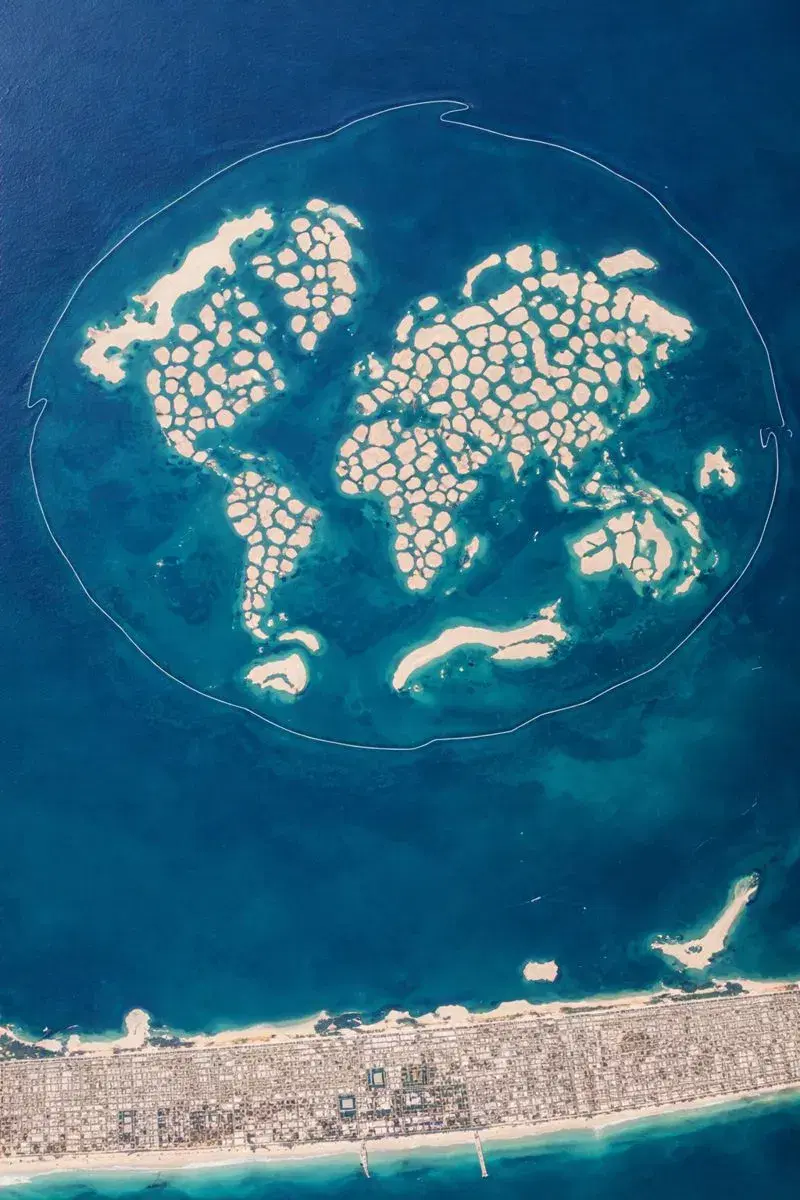
The World Islands Dubai - Latest Updates
The World Islands are the most audacious undertaking in real estate and engineering that has ever been conceived. Situated off the United Arab Emirates coast of Dubai, this man-made archipelago comprises 300 islands positioned to resemble a world map when viewed from above. Since its unveiling in 2003, The World Islands have captured the imaginations of people around the globe-tacking them onto Dubai's ambition for pushing the limits of what is possible in construction and luxury development. What Are The World Islands? The World Islands The World Islands is an artificial island group constructed approximately 4 kilometers off the coast of Dubai in the Persian Gulf. Each island represents a different country or region, collectively forming a map of the world spanning roughly 9 kilometers in length and 6 kilometers in width. The project covers a total area of approximately 55 square kilometers, making it visible from space and one of the largest land reclamation projects on Earth. Developed by Nakheel Properties, the same company behind the iconic Palm Jumeirah , The World Islands were designed to offer ultra-exclusive private island living and luxury resort experiences. The concept was to create a unique global landmark that would further establish Dubai as a premier destination for luxury tourism and high-net-worth individuals. The Vision Behind The World Islands Sheikh Mohammed bin Rashid Al Maktoum, the ruler of Dubai, envisioned The World Islands as a symbol of Dubai's global connectivity and ambition. The project aimed to attract international investors and celebrities who would develop individual islands into private estates, luxury resorts, and exclusive communities. Each island was intended to be a self-contained paradise, accessible only by boat or helicopter, offering unparalleled privacy and exclusivity. The original vision included residential properties, commercial developments, resorts, and entertainment venues. Some islands were planned as single private estates, while others would house boutique hotels or themed attractions. The diversity of the development was meant to create a truly unique destination unlike anything else in the world. Construction and Engineering Marvel The Reclamation Process Construction of The World Islands began in 2003, utilizing advanced dredging and land reclamation techniques. The process involved extracting sand from the seabed of the Persian Gulf and carefully depositing it to form the island shapes. Over 320 million cubic meters of sand and 31 million tons of rock were used in the construction.
Dec 23, 20256 min read
View Blog
1, 2,& 3 Bed Off-Plan Apartments In Dubai Sports City 2025-26
Dubai Sports City has become one of the emirate's most exciting places to live, combining the convenience of city life with an active lifestyle. The area is a great place to invest or move to because there are a number of high-end off-plan developments available right now. This detailed guide looks at the best 1, 2, and 3-bedroom apartments in Dubai Sports City , so you can make a smart choice for your next property investment. Why Dubai Sports City? It is good to know what makes Dubai Sports City so attractive before proceeding with the details of particular projects. This master-planned community spans more than 50 million square feet and boasts premier sports facilities, including the Dubai International Cricket Stadium, The Els Golf Club, and ultra-modern academies. The locality is also pretty close to Motor City, Dubai Hills, and Sheikh Mohammed Bin Zayed Road for easy access to all major attractions of Dubai. In other words, one can enjoy peace and quiet as well as easy access. The Best Off-Plan Projects In Dubai Sports City 1. Vega Residence Vega Residence represents a really great combination of modern luxury and practical living. This complex houses studio apartments to three bedrooms , all fully finished and fitted with integrated smart home systems that are very much in demand and popular among modern homebuyers. Key features: All units have private balconies and large layouts. Smart home integration for more safety and ease of use. In Dubai Sports City, this is the right place to be because one can easily access significant places. Flexible payment plans include 60/40 before handover or 65/35 after handover.
Dec 11, 20257 min read
View Blog
Dubai’s Best Places for Christmas Celebrations & Fun
Every December, Dubai transforms into a festive winter wonderland, blending sunny beaches with magical Christmas celebrations. From dazzling decorations and holiday markets to luxury experiences across the city, Christmas in Dubai attracts tourists and investors alike. If you’re planning a holiday or exploring investment opportunities, Christmas 2025 is the perfect time to experience Dubai’s cosmopolitan lifestyle, world-class luxury, and fast-growing real estate landscape. The Best Places to Visit Dubai's holiday season is celebrated in a number of famous places, each of which offers a different holiday experience: Winter Wonderlands and Holiday Markets Madinat Jumeirah Festive Market: This is the most well-known one. It has a classic Christmas market feel with wooden stalls, a huge tree, and special holiday rides on the abra boats along the beautiful canals. It has an old-world charm and is a great place for families.
Dec 4, 20255 min read
View BlogExplore Dubai's Most Investable Communities
Data-driven insights to help you understand where, when and what to invest in.

 apartment
 1-3 Beds


Know the Developers Behind Dubai's Biggest Projects
We run rigorous audit models on developer balances, delivery timelines, and handover qualities.




Not Sure Where To Invest?
Tell us your budget and investment goal. We'll shortlist Dubai properties that match your requirements.
Free consultation · No obligation · Expert guidance